
Blog
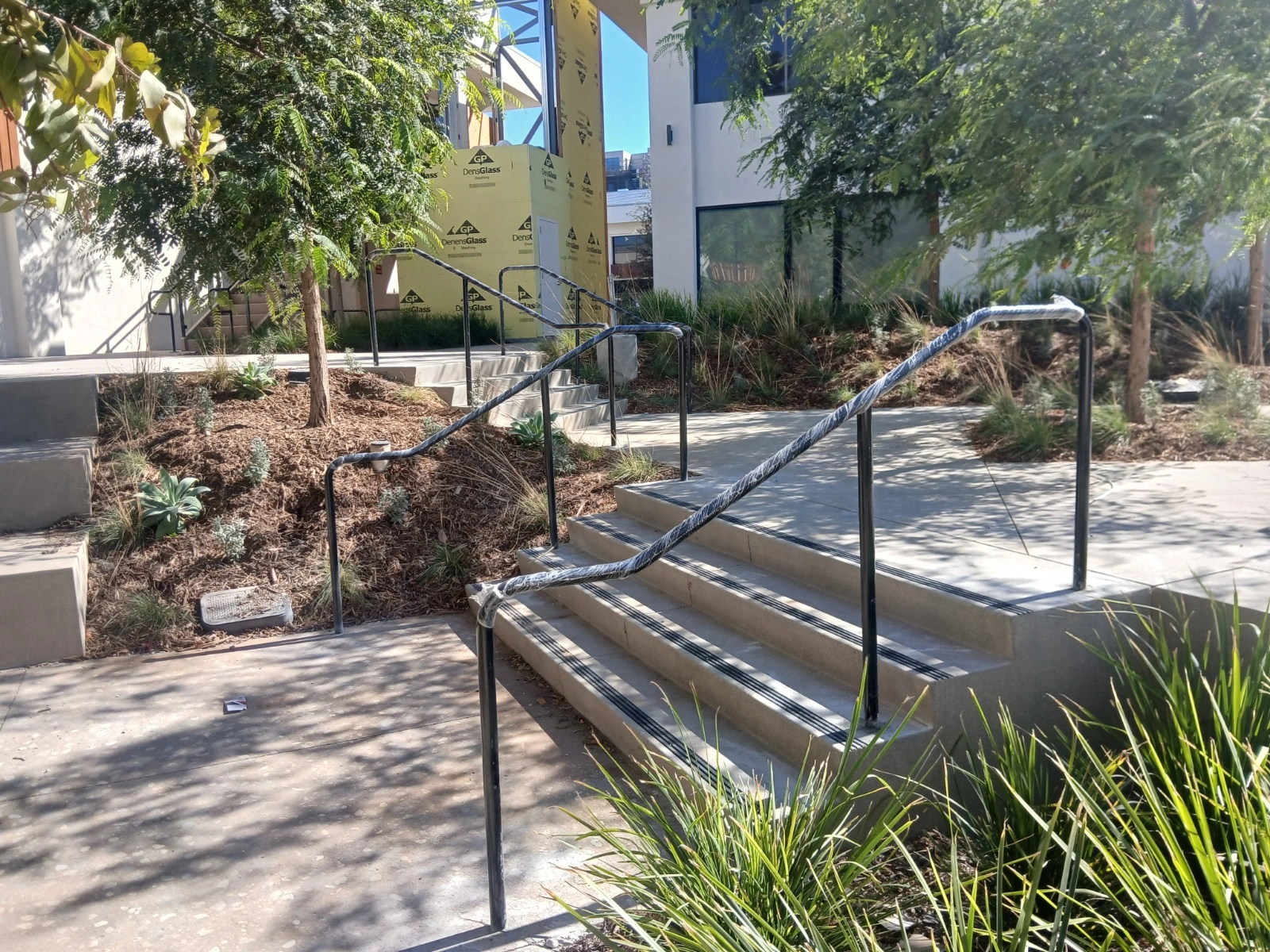
Metal building maintenance starts with clear gutters and downspouts, so rainwater can drain away from the building.
Leaves and debris can block the path water needs to flow off the roof. Make gutter and downspout checks part of your routine, and clear buildup before it leads to overflow near panels or the foundation. A small task with a clear purpose: keep drainage moving.
Our team at Antonio's Metal Works recommends pairing this check with regular building inspections. Look for signs of water intrusion and note anything that needs attention.
A gutter system directs runoff away from the roof edge and down the side of a building. When it is blocked, loose, poorly sloped, or leaking, water can overflow or collect where it should not.
Repeated overflow can wet metal panel laps and seams, expose fasteners to more moisture, and leave water standing at the base of wall panels. Dirt and debris that stay damp can also contribute to corrosion or damage to protective finishes. Around the building, concentrated runoff can erode soil and keep the area near the foundation wet.
Water can travel farther than the visible overflow point. It may enter at a seam, flashing, fastener, or unsealed penetration, then affect interior finishes and insulation. If moisture is concealed, the first clue may be a stain, odor, or soft material inside rather than a drip you can see from outdoors.
The manufacturer’s care guidance for metal roof systems recommends clearing debris from roof panels, gutters, and downspouts and checking for ponding water, loose fasteners, and deteriorated exposed sealants. See ASC Building Products’ technical bulletins for additional roof and wall system care information.
A dependable maintenance schedule combines quick visual checks with regular cleaning and checks after bad weather. San Diego’s rainy season runs from October through April, so fall is a good time to make sure drainage is ready before sustained rain. Leaf drop can add a fresh layer of debris, particularly near trees. The City of San Diego’s rainy-season guidance and County storm-preparedness resources offer local preparation advice.
| Task | Frequency | What to look for |
|---|---|---|
| Visual check from the ground | Monthly | Debris, overflow stains, loose or sagging sections, and water collecting near the building |
| Full gutter and downspout cleaning | At least quarterly | Blocked outlets, packed debris, standing water, leaks, and secure connections |
| Drainage inspection after storms | After significant storms | New damage, displaced sections, overflow, erosion, and water intrusion |
| Seasonal inspection and cleaning | Before the rainy season and during fall leaf drop | Clear roof edges and gutters, open downspout inlets, and unobstructed discharge |
Adjust the schedule for the site. Buildings near trees or in areas where leaves, needles, or roof grit accumulate may need more frequent cleaning. If the gutters have overflowed before, check them again after debris-heavy weather rather than waiting for the next quarterly service.
Cleaning is only useful if water can move through the full system and discharge where it belongs. For commercial building maintenance, use trained personnel with the right access and fall-protection procedures. Do not walk on a metal roof or lean a ladder against a gutter. If the system cannot be reached safely, arrange for a qualified professional to do the work.
Once access is safe:
Pro Tip: During the hose test, check where the water ends up, not just whether it exits the downspout. A clear pipe can still direct runoff straight toward a wall or foundation.
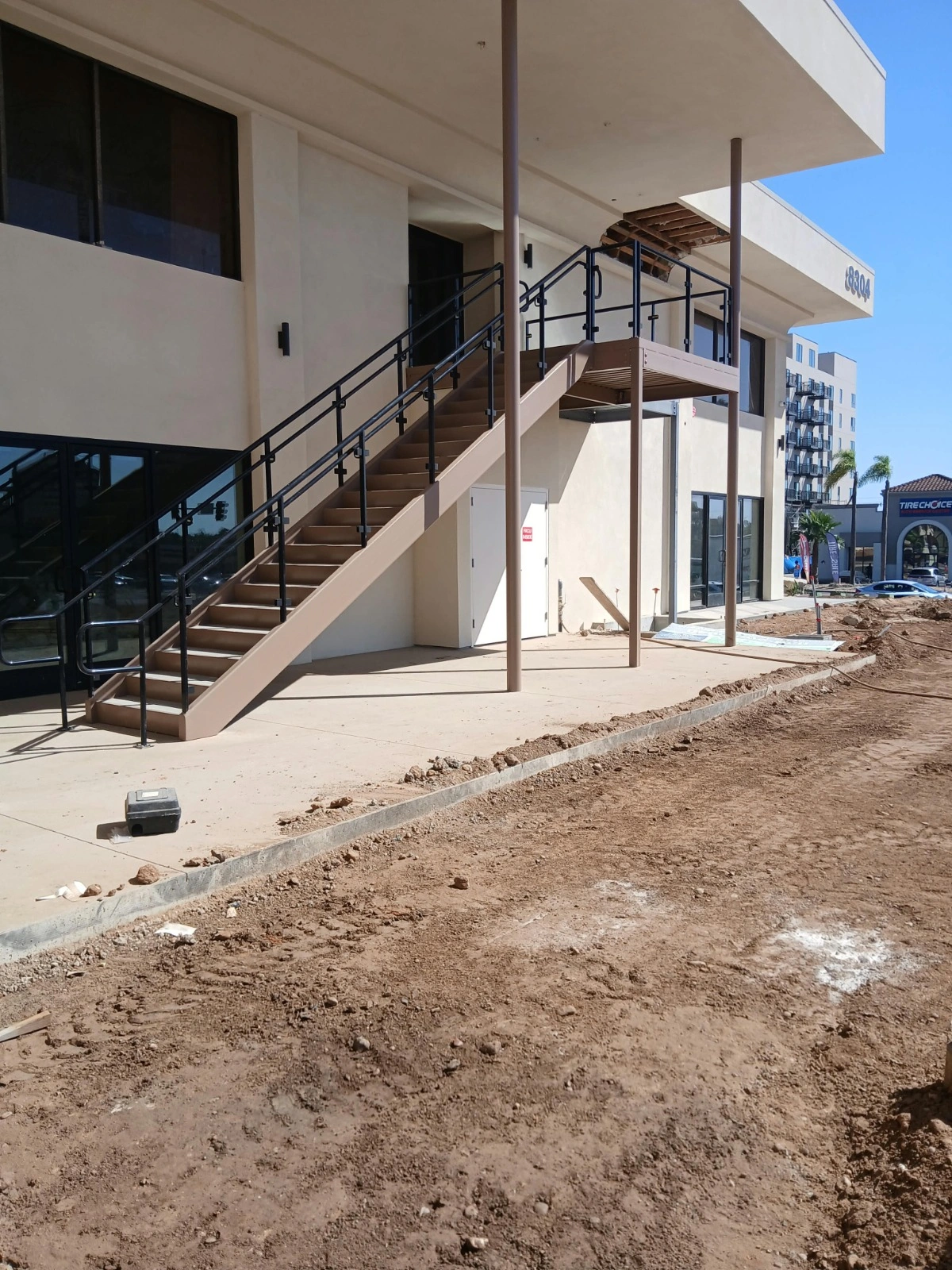
Small gutter leaks deserve attention. Water escaping at a seam can run behind the gutter, wet panel edges, or keep the wall base damp. Over time, repeated moisture can damage finishes and increase the chance of corrosion or interior water intrusion.
For a minor leak in an otherwise sound gutter, a qualified person may be able to clean and dry the joint and apply roofing sealant approved for that metal and application. Follow the gutter or roof manufacturer’s directions, including surface preparation and cure time. Sealant is not a substitute for fixing a loose joint, failed support, or incorrect slope.
Replace a section rather than repeatedly patching it if it is badly corroded, perforated, deformed, or separating at multiple seams. Recurring leaks may mean the section has reached the end of its service life or that water is collecting because the gutter is out of position. For metal roof systems, sealant choice matters: the ASC technical bulletin on recommended sealants explains that products should be selected for the joint type, movement, and exposure.
Also look for less obvious water traps. An upward-facing channel, an unsealed penetration, or a pile of debris against a panel can hold water instead of shedding it. If water can sit somewhere, it eventually can contribute to staining, finish deterioration, or a leak path. Keep drainage details clear and report any suspected defect for evaluation.
Watch Out: Do not cover a leak with generic caulk or sealant without checking compatibility. The wrong product, or an application over dirty or wet metal, may fail quickly and complicate a proper repair.
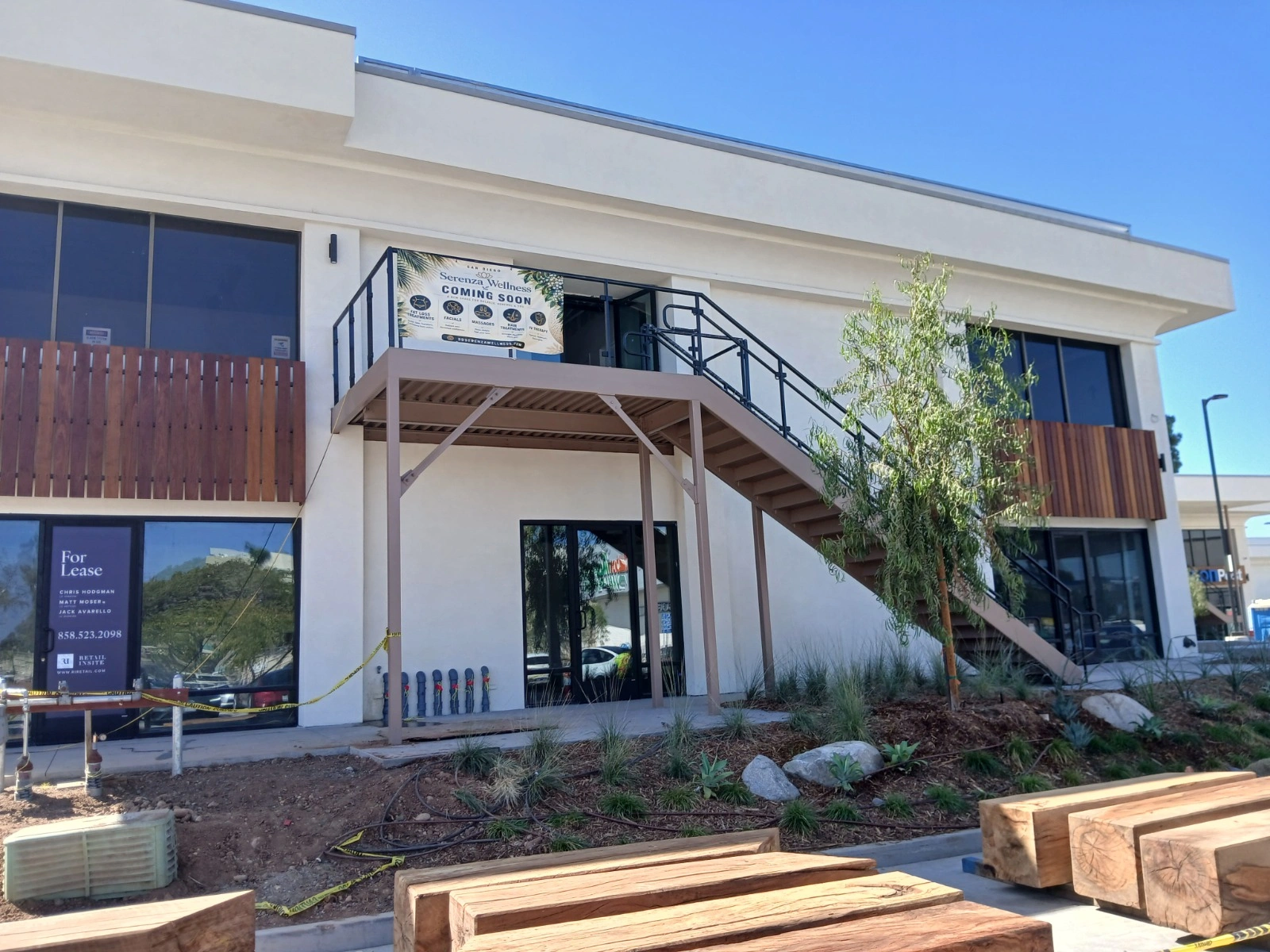
A roof drainage problem may show up indoors before the gutter issue is obvious. During routine inspections, check ceilings, walls, and the interior side of exterior panels for:
A small leak that goes unnoticed can wet insulation and interior finishes, damage stored goods, and create a larger repair area. Water may follow framing or panel edges before appearing indoors, so the location of a stain does not always identify the source. Record what you find, note when it appears, and have the roof, wall, and drainage details checked.
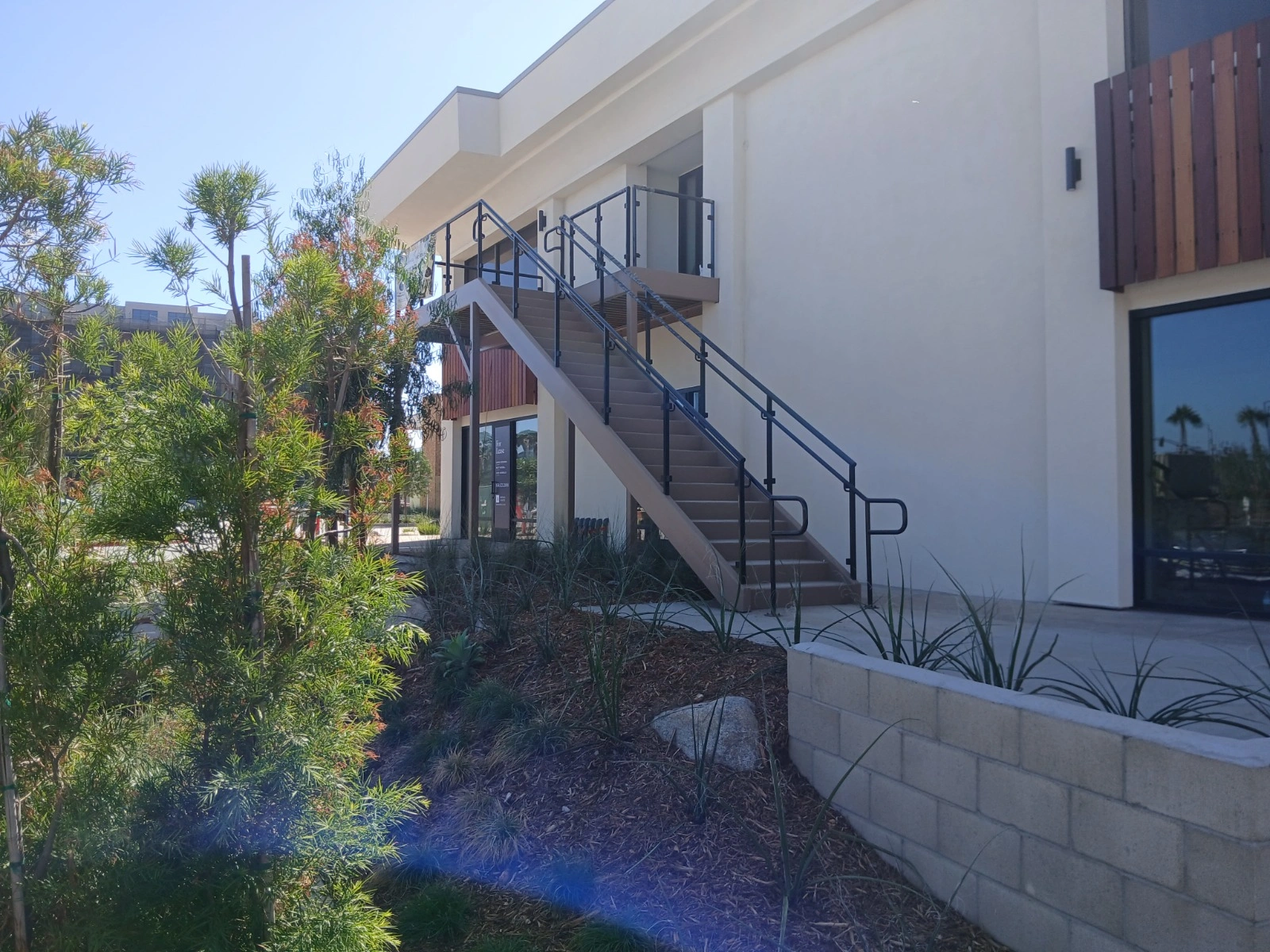
Gutters and downspouts work as part of a larger system. Include them in inspections of roof edges, panel laps and seams, flashings, exposed fasteners, wall bases, and the ground around the foundation. Check that roof runoff has a clear route and that debris is not building up against wall panels.
Call a professional if you find active leaks, damaged or loose sections, repeated overflow after cleaning, corrosion at the base of panels, or signs of structural movement. These conditions may need more than routine cleaning or a sealant patch. Follow the roof system manufacturer’s guidance and any applicable site or warranty requirements before making repairs.
Keep water moving: make a monthly visual check, schedule a full clean at least quarterly, and inspect drainage after significant storms. In San Diego, give gutters extra attention before the rainy season and during fall leaf drop. Confirm water flows through the downspouts and away from the foundation, and follow up promptly on leaks, corrosion, or interior signs of moisture.
Antonio’s Metal Works Inc serves San Diego with metal fabrication and maintenance capability and more than two decades of experience. If an inspection turns up damaged metalwork or a condition that needs professional attention, learn about our metal fabrication services or contact our team.
Call Us
(619) 241-2413E-mail Us
info@antoniosmetalworks.com


